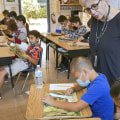
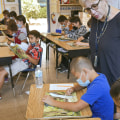
Getting involved in your local school as a volunteer is one of the most rewarding ways to give back to your community. Whether you're a parent, student, retiree, or simply someone who wants to make a difference, schools offer a wide range of opportunities that suit different interests and time commitments. From helping in classrooms and libraries to supporting after-school programs and special events, school volunteers play a crucial role in enhancing educational experiences and creating positive environments for students and staff alike.
Why Schools Need Volunteers
Many schools operate on tight budgets and limited staffing, especially public institutions. Teachers and administrators often wear multiple hats, and volunteers can help ease that load by providing extra hands, attention, and energy. Whether it's reading with students, organizing classroom materials, supervising recess, or helping with administrative tasks, volunteers provide support that allows educators to focus more on teaching and less on logistics. Beyond academics, volunteers also contribute to stronger school cultures and closer community ties.
How to Get Started
If you're considering volunteering at a local school, the first step is to reach out to the school office or district volunteer coordinator. Most schools require a basic application, background check, and sometimes a brief orientation or training session. These safeguards ensure the safety of students while preparing volunteers for school protocols and expectations. Once you're approved, you can express your preferences—whether you’d like to work with younger children, assist with special needs students, help in the library, or support specific events like science fairs or field days.
It’s also helpful to identify your own strengths. Are you good at organizing materials? Comfortable with tutoring in math or reading? Enjoy working outdoors? Schools can match you with tasks that fit your personality and schedule. Flexibility is key, but so is consistency. Even one hour a week can make a big impact when done regularly.
Be Respectful and Reliable
Volunteering in a school is a privilege that comes with responsibility. Always arrive on time, follow the teacher’s lead, and maintain confidentiality. Remember that your role is to support—not take over. It's important to model respectful behavior, maintain professionalism, and focus on the needs of the students and staff. Developing positive relationships with the educators you assist can also open the door to even more meaningful involvement over time.
Be Prepared for Variety
Not all volunteer tasks are glamorous. You may find yourself shelving books, wiping down tables, or helping set up traffic cones in the parking lot. But every role matters. Volunteering is a team effort, and doing the small things helps the big picture run smoothly. In fact, sometimes you may find yourself helping the school indirectly—one volunteer recalled being asked to help coordinate communications during a nearby sewer lateral replacement project that impacted school access for several days. It wasn’t in the job description, but it made a difference!
Final Thoughts: Make an Impact Where It Counts
Volunteering at local schools is about showing up, lending a hand, and making students feel seen and supported. Whether you're helping a kindergartener tie their shoes or organizing art supplies for a teacher, your efforts ripple through the entire school community. Start small, stay consistent, and remember: in the world of education, every little bit helps.